
Child Development
Big Kid Child Development: Understanding Your School-Age Child’s Growth
Supporting Growth Beyond the Early Years
As children move into their school-age years, they experience significant changes in how they think, communicate, learn, and interact with the world around them. This stage of development—often covering ages 5 to 12—lays the groundwork for academic success, healthy relationships, emotional resilience, and growing independence.
Every child develops at their own pace, and differences in personality, interests, and abilities are a normal part of childhood. The role of parents and caregivers is to provide guidance, encouragement, and a safe environment where children can thrive.
Physical Development
School-aged children continue to grow steadily, becoming stronger, more coordinated, and increasingly capable of participating in a wide range of activities.
During these years, many children:
- Improve balance, agility, and overall fitness.
- Develop stronger fine motor skills for writing, drawing, and crafts.
- Become more confident in sports, dance, cycling, or swimming.
- Learn to manage personal hygiene and self-care routines more independently.
- Experience gradual changes in growth before puberty begins.
Regular physical activity, nutritious meals, and adequate sleep all contribute to healthy physical development.
Cognitive and Learning Development
As children mature, their thinking becomes more organised and logical. They begin to understand complex ideas, solve problems independently, and apply knowledge across different situations.
Common developments include:
- Better concentration and attention spans.
- Improved memory and information processing.
- Growing ability to plan, organise, and complete tasks.
- Understanding of cause and effect.
- Stronger reasoning and decision-making skills.
- Increased curiosity about science, history, nature, and the wider world.
Encouraging questions and allowing children to explore new ideas helps nurture lifelong learning.
Language and Communication Skills
Language abilities expand rapidly during the primary school years. Children become more confident expressing opinions, participating in conversations, and understanding different forms of communication.
Parents may notice improvements in:
- Reading fluency and comprehension.
- Vocabulary and sentence structure.
- Storytelling and creative writing.
- Listening and following detailed instructions.
- Explaining thoughts and emotions clearly.
- Participating in discussions and group activities.
Regular reading and meaningful conversations at home remain valuable throughout childhood.
Social Development
Friendships become increasingly important as children grow older. Through interactions with classmates, teammates, and family members, they learn cooperation, empathy, negotiation, and conflict resolution.
Social milestones often include:
- Forming close friendships.
- Understanding fairness and shared rules.
- Working collaboratively in groups.
- Respecting different viewpoints.
- Building trust and loyalty.
- Developing a stronger sense of belonging within school and community settings.
Positive social experiences help children develop confidence and emotional security.
Emotional Development
School-aged children gradually become better at recognising and managing their emotions, although they still rely on trusted adults for guidance and reassurance.
Parents can support emotional wellbeing by:
- Encouraging open conversations about feelings.
- Validating emotions without judgement.
- Teaching healthy coping strategies for disappointment or frustration.
- Modelling respectful communication and problem-solving.
- Helping children develop resilience after setbacks.
Building emotional intelligence during childhood supports healthy relationships and mental wellbeing later in life.
Growing Independence
As children mature, they naturally seek greater responsibility and autonomy. Allowing them to make age-appropriate choices helps strengthen confidence and decision-making skills.
Examples include:
- Organising school materials.
- Completing homework with appropriate supervision.
- Helping with household tasks.
- Managing personal belongings.
- Choosing hobbies or extracurricular activities.
- Taking responsibility for simple daily routines.
Providing guidance while gradually increasing independence prepares children for future challenges.
Healthy Lifestyle Habits
A balanced lifestyle supports both physical health and cognitive performance.
Parents can encourage healthy habits by promoting:
- A varied diet rich in fruits, vegetables, whole grains, lean proteins, and dairy or suitable alternatives.
- Daily physical activity and outdoor play.
- Consistent sleep schedules appropriate for the child’s age.
- Limited intake of highly processed foods and sugary drinks.
- Good oral hygiene and routine dental care.
- Positive screen habits with time for offline play and family interaction.
Healthy routines established during childhood often continue into adulthood.
The Role of Play and Creativity
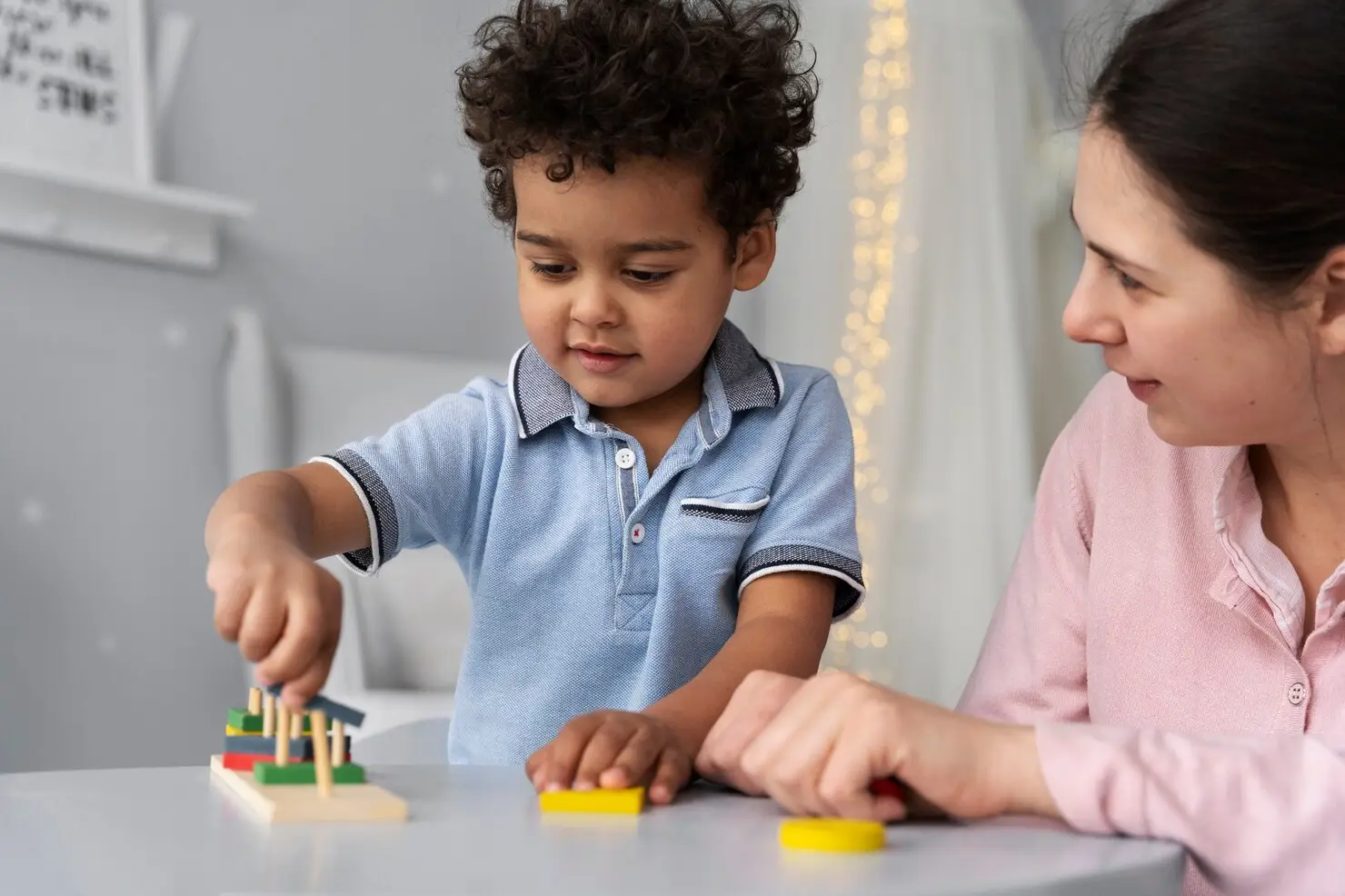
Although school-aged children spend more time in structured education, play remains an essential part of development. Creative activities encourage imagination, innovation, and emotional expression.
Beneficial experiences include:
- Drawing and painting.
- Building and construction projects.
- Music and drama.
- Reading for enjoyment.
- Outdoor adventures.
- Science experiments and nature exploration.
- Board games and puzzles.
Play supports learning while allowing children to explore their interests and talents.
Digital Skills and Online Safety
Technology is an important part of modern childhood, but children also need guidance to use it safely and responsibly.
Families can help by:
- Choosing age-appropriate digital content.
- Setting reasonable screen-time boundaries.
- Teaching respectful online behaviour.
- Discussing privacy and personal information.
- Encouraging critical thinking about online sources.
- Balancing screen use with physical activity and face-to-face interaction.
Open conversations about internet safety can help children make informed decisions as they become more independent online.
Recognising When Extra Support May Be Needed
Children develop at different rates, but ongoing concerns about learning, communication, behaviour, or emotional wellbeing should not be ignored.
Parents may wish to seek professional advice if a child experiences:
- Persistent difficulties with reading, writing, or mathematics.
- Significant problems with attention or concentration.
- Ongoing challenges in making friends or interacting socially.
- Noticeable changes in mood or behaviour.
- Delays in communication or understanding compared with peers.
- Loss of previously acquired skills or abilities.
Early support can help identify individual needs and provide strategies that enable children to succeed both at home and at school.
Encouraging Confidence and Resilience
Children benefit from knowing that effort, perseverance, and learning from mistakes are valued as much as achievement. Praising determination, encouraging problem-solving, and allowing opportunities to overcome challenges can strengthen resilience and self-esteem.
Parents who provide consistent support while encouraging independence help children develop the confidence to face new experiences and adapt to change.
Key Takeaway
Child development during the school-age years is about much more than academic progress. Physical health, emotional wellbeing, communication, friendships, creativity, and independence all contribute to a child’s overall growth.
By providing a nurturing home environment, encouraging healthy habits, maintaining open communication, and supporting learning through everyday experiences, parents can help children build the skills and confidence they need to flourish throughout childhood and beyond.