Manner & Responsibility
Big Kids, Big Manners, Big Responsibilities: Raising Respectful and Independent Children
As children grow into their elementary and middle school years, they enter an exciting phase of development where independence, confidence, and character begin to take shape. For parents in New Jersey and Staten Island, this is the perfect time to teach life skills that go beyond academics—good manners, responsibility, empathy, and accountability.
Children between the ages of 6 and 12 are often called “big kids,” but they still need guidance and consistent role models. The habits they develop today can influence their friendships, school success, and future careers.
Why Manners Matter More Than Ever
Good manners are not about being formal—they are about showing respect, kindness, and consideration for others. In a world where digital communication often replaces face-to-face interaction, teaching children basic etiquette helps them build meaningful relationships and social confidence.
Essential manners every big kid should practice include:
- Saying “please,” “thank you,” and “excuse me.”
- Greeting adults and peers politely.
- Listening without interrupting.
- Respecting personal space and boundaries.
- Showing gratitude for help or gifts.
- Practicing table manners during family meals.
- Using kind language online and offline.
- Apologizing sincerely when they make mistakes.
Research and parenting experts consistently emphasize that children learn these behaviors best when adults model them consistently and reinforce them with positive guidance rather than punishment.
Responsibilities That Build Life Skills
Giving children age-appropriate responsibilities teaches them that they are valuable contributors to the family and community. Responsibility also develops resilience, organization, and problem-solving skills.
At Home
Big kids can:
- Make their beds each morning.
- Keep their bedrooms organized.
- Pack their school bags.
- Help set and clear the dinner table.
- Feed family pets.
- Assist with laundry or folding clothes.
- Water plants or take out small amounts of recycling.
- Prepare simple snacks safely with supervision.
Regular chores help children develop independence and confidence while reinforcing that every family member plays an important role.
At School
Encourage children to:
- Complete homework without constant reminders.
- Take responsibility for forgotten assignments.
- Respect teachers and classmates.
- Arrive prepared for class.
- Participate honestly in group projects.
- Admit mistakes instead of making excuses.
Teaching Accountability Instead of Perfection
Every child forgets, argues, or makes poor choices. The goal isn’t perfection—it’s learning.
Parents can encourage accountability by asking:
- “What happened?”
- “How could you handle this differently next time?”
- “How can you make things right?”
Allowing natural consequences, while providing emotional support, helps children understand that actions have outcomes and that mistakes are opportunities to grow.
Digital Manners Count Too
Today’s big kids spend significant time online. Digital etiquette should be taught alongside traditional manners.
Key online habits include:
- Thinking before posting or commenting.
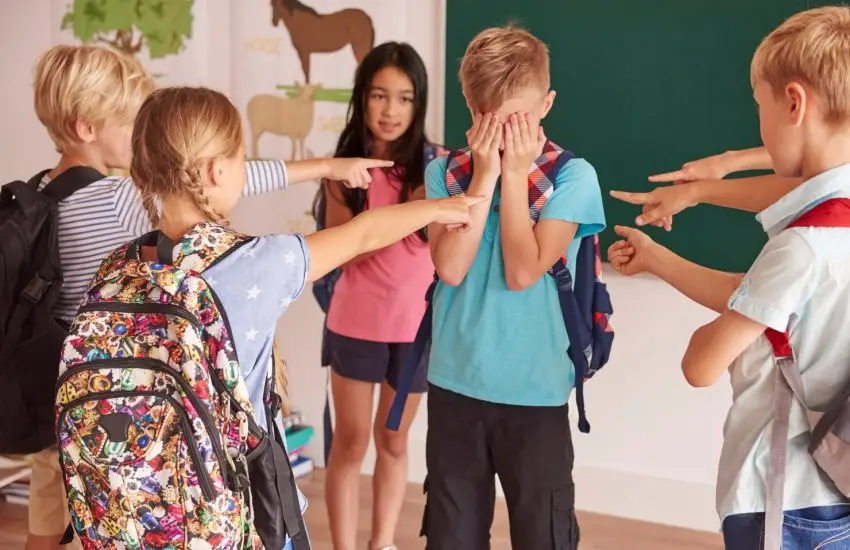
- Never using hurtful language or bullying others.
- Respecting privacy and asking permission before sharing photos.
- Being honest about online interactions.
- Limiting screen time during family meals and conversations.
Parents should maintain open discussions about online behavior and model healthy technology habits themselves.
How Parents Can Reinforce Positive Behavior
Children imitate what they see. If parents consistently demonstrate courtesy, patience, and responsibility, kids are more likely to adopt those behaviors naturally.
Practical strategies include:
- Praise effort and improvement rather than perfection.
- Establish clear family expectations.
- Create predictable routines.
- Hold regular family meetings to discuss responsibilities.
- Offer choices within reasonable limits.
- Use calm, respectful communication during conflicts.
Positive reinforcement and consistent expectations are more effective than harsh discipline in building long-term respectful behavior.
A Simple Family Responsibility Chart
| Daily Habit | Goal |
|---|---|
| Make the bed | Build routine |
| Put dirty clothes in the hamper | Develop organization |
| Complete homework | Encourage accountability |
| Say “please” and “thank you” | Practice respect |
| Help with one household chore | Foster teamwork |
| Read for 20 minutes | Promote lifelong learning |
| Clean up after play | Build independence |
| Prepare for tomorrow before bedtime | Reduce morning stress |
The Power of Consistency
Children thrive when expectations are clear and predictable. Rather than giving repeated reminders, create routines that become automatic. Over time, responsibilities evolve from “things I have to do” into “who I am.”
Final Thoughts
Raising respectful, responsible children is a long-term investment. Big kids who learn good manners, contribute to family life, take ownership of their actions, and show empathy toward others are better prepared for school, friendships, and adulthood.
For families across New Jersey and Staten Island, everyday moments—sharing dinner, completing chores, helping neighbors, or simply saying “thank you”—offer countless opportunities to shape confident, compassionate young people ready to make a positive difference in the world.