Bullying and School Problems
Big Kids, Bullying, and School Problems: A Parent’s Guide to Helping Children Thrive
As children grow into their elementary and middle school years, they face new academic challenges, social pressures, and emotional experiences. For families in New Jersey and Staten Island, one of the biggest concerns during this stage is bullying and other school-related problems that can affect a child’s confidence, mental health, and academic performance.
Understanding the warning signs and knowing how to respond can make a significant difference in helping your child feel safe, supported, and empowered.
What Is Bullying?
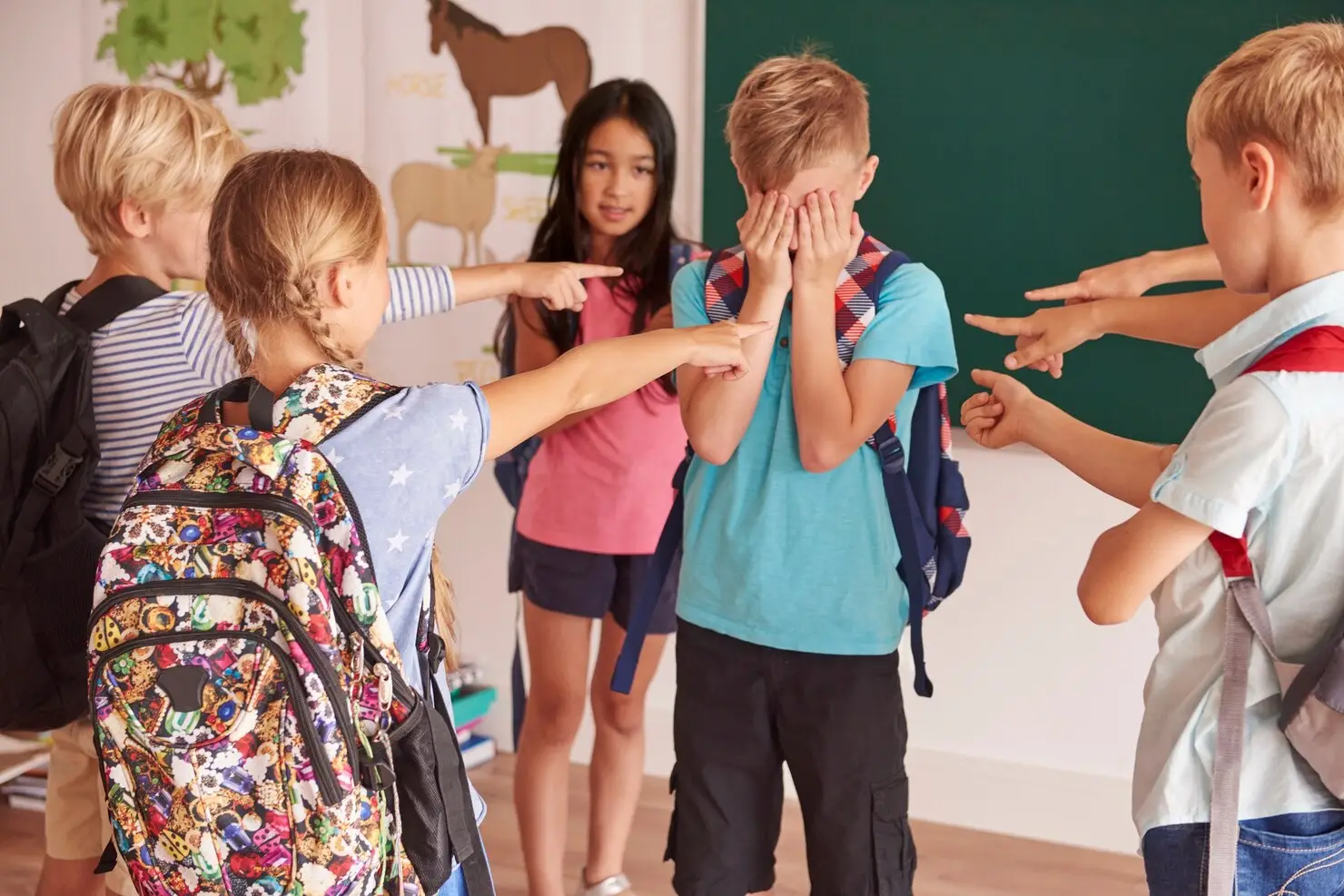
Bullying is repeated, intentional behavior designed to hurt, intimidate, or exclude another person. It can occur in classrooms, playgrounds, school buses, sports teams, and online through social media, messaging apps, or gaming platforms.
Common forms of bullying include:
- Physical bullying, such as hitting, pushing, or damaging belongings.
- Verbal bullying, including name-calling, teasing, or threats.
- Social bullying, like spreading rumors or excluding someone from a group.
- Cyberbullying through text messages, social media posts, fake accounts, or online harassment.
Unlike occasional disagreements between children, bullying involves a pattern of behavior and often includes a power imbalance.
Signs Your Child May Be Experiencing Bullying
Children do not always tell adults when they are being bullied. Parents should watch for changes such as:
- Reluctance or refusal to go to school.
- Frequent complaints of headaches or stomachaches without a medical cause.
- Sudden drops in grades or loss of interest in schoolwork.
- Damaged clothing or missing personal items.
- Mood changes, including sadness, anxiety, irritability, or withdrawal.
- Difficulty sleeping or recurring nightmares.
- Avoiding friends or social activities they once enjoyed.
- Changes in eating habits or unexplained emotional outbursts.
While these signs do not always indicate bullying, they warrant an open and supportive conversation.
Why School Problems Happen
Not every school issue is related to bullying. Big kids may struggle because of:
- Academic pressure or learning difficulties.
- Friendship conflicts.
- Test anxiety or perfectionism.
- Classroom behavior expectations.
- Family transitions such as divorce or moving.
- Excessive screen time affecting focus and sleep.
- Mental health challenges, including anxiety or depression.
Identifying the underlying cause helps parents and educators create the right support plan.
How Parents Can Start the Conversation
If you suspect your child is struggling, approach the discussion with curiosity rather than judgment.
Try asking:
- “What was the best and hardest part of your day?”
- “Who did you spend time with at recess or lunch?”
- “Has anyone made you feel uncomfortable or left out?”
- “If something difficult happened at school, how do you think we could solve it together?”
Listen carefully and avoid interrupting or immediately offering solutions. Children are more likely to open up when they feel heard.
What to Do If Your Child Is Being Bullied
If your child reports bullying:
- Stay calm and reassure them that they did the right thing by telling you.
- Document incidents, including dates, locations, and people involved.
- Encourage your child not to retaliate physically or online.
- Contact the teacher, school counselor, or administrator to discuss concerns.
- Work collaboratively with the school to create a plan for monitoring and intervention.
- Continue checking in with your child to ensure the situation improves.
Teaching children assertive communication, confidence, and help-seeking behaviors can also reduce feelings of isolation.
When Your Child Is the One Bullying Others
Learning that your child has bullied someone can be difficult, but it is an opportunity for growth.
Parents should:
- Address the behavior immediately and calmly.
- Help the child understand the impact of their actions.
- Set clear expectations and consequences.
- Encourage empathy and accountability.
- Partner with teachers and counselors if additional support is needed.
The focus should be on changing behavior while teaching respect, responsibility, and healthy conflict resolution.
Cyberbullying: The Modern Challenge
Technology has expanded the reach of bullying beyond school hours. Parents can reduce risks by:
- Keeping communication open about online experiences.
- Establishing family rules for technology use.
- Teaching children never to share passwords or personal information.
- Encouraging them to report harmful messages instead of responding.
- Saving screenshots or evidence when online harassment occurs.
Regular discussions about digital citizenship help children navigate online spaces safely and respectfully.
Building Confidence and Resilience
Children who feel connected at home often cope better with challenges at school. Parents can strengthen resilience by:
- Praising effort rather than perfection.
- Encouraging participation in sports, music, art, or community activities.
- Helping children build healthy friendships.
- Teaching problem-solving and emotional regulation skills.
- Creating daily opportunities for family conversations.
A strong support system reminds children they are never alone when facing difficulties.
Partnering With Schools
Successful outcomes often come from collaboration between families and educators. Attend parent-teacher conferences, maintain communication with school staff, and encourage your child to seek help from trusted adults when needed.
Schools across New Jersey and Staten Island continue to strengthen anti-bullying policies and student support programs, but parents remain an essential part of prevention and early intervention.
When Professional Help May Be Needed
Consider consulting a pediatrician or licensed mental health professional if your child:
- Experiences persistent anxiety or depression.
- Shows signs of self-harm or hopelessness.
- Has significant changes in eating or sleeping patterns.
- Avoids school for extended periods.
- Demonstrates severe behavioral changes or social withdrawal.
Early support can help prevent long-term emotional and academic consequences.
Final Thoughts
Bullying and school problems can feel overwhelming for both children and parents, but they are challenges that can be addressed with patience, communication, and teamwork. By staying involved, listening without judgment, and working closely with educators, families can help big kids develop resilience, confidence, and the skills they need to navigate difficult situations.
For parents in New Jersey and Staten Island, the goal is not only to protect children from harm but also to equip them with the empathy, courage, and problem-solving abilities that will serve them throughout their lives.