Pregnancy Week by Week
Baby Development Week by Week: A Guide to Pregnancy Milestones
Watching Your Baby Grow Throughout Pregnancy
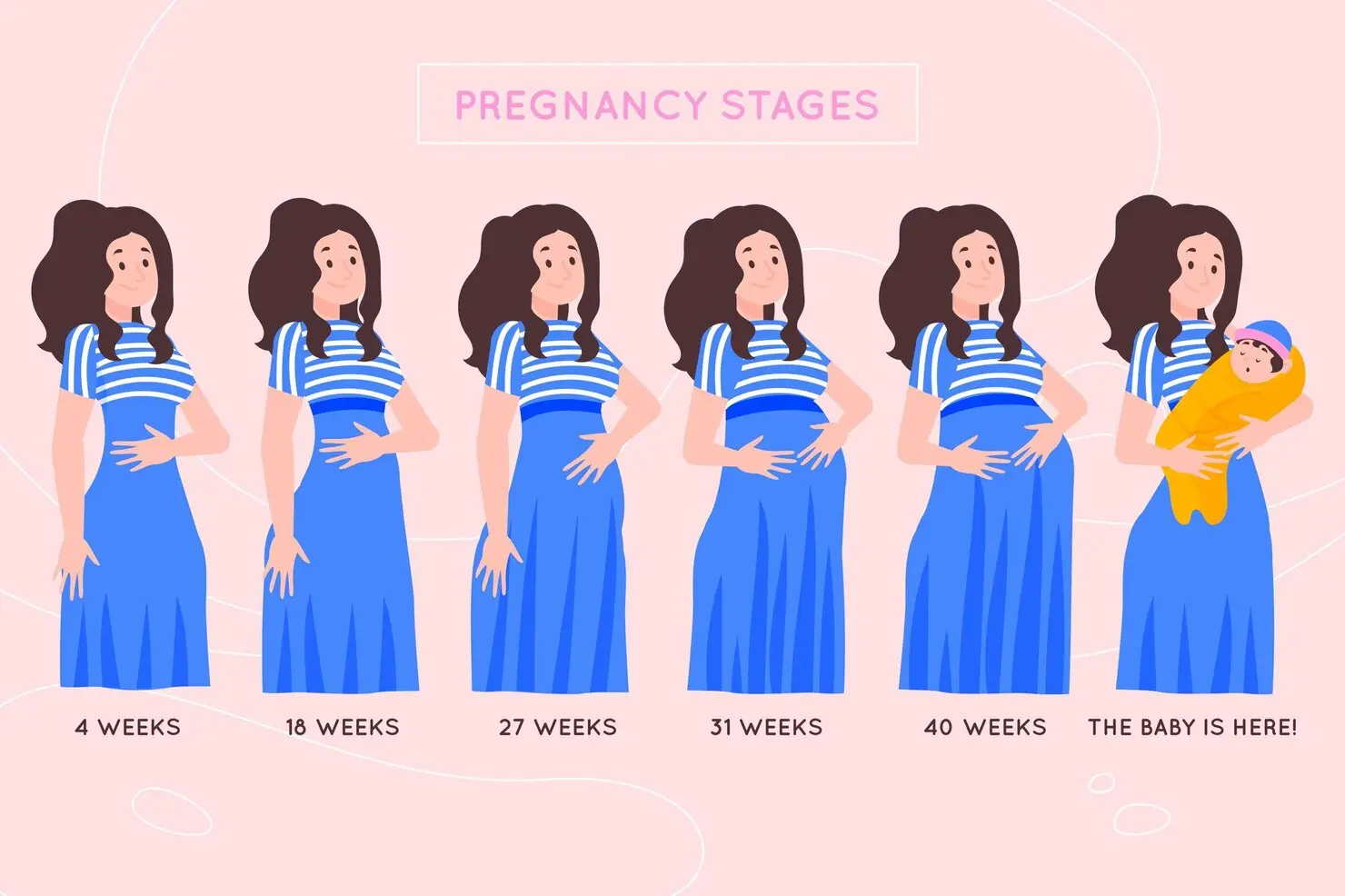
Pregnancy is an incredible journey filled with remarkable changes for both parent and baby. From the moment of conception to delivery, your baby develops rapidly, with new milestones reached almost every week. While every pregnancy is unique, this week-by-week overview highlights the typical stages of fetal growth and development.
Weeks 1–4: The Beginning
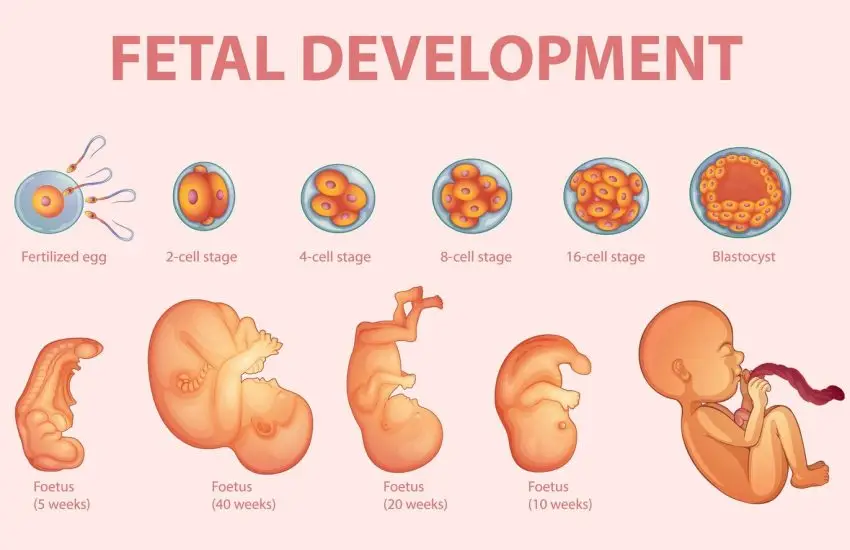
Pregnancy is calculated from the first day of your last menstrual period, even though conception usually occurs around two weeks later. Once fertilization takes place, the developing embryo implants in the uterus, and the earliest structures that will become the brain, spinal cord, and heart begin to form.
Weeks 5–8: Early Organ Development
During these weeks, major organs and body systems start taking shape. Tiny limb buds appear, facial features begin to develop, and by the end of week 8, the embryo is officially called a fetus. Although still very small, your baby is growing rapidly.
Weeks 9–12: The First Trimester Milestones
The baby’s fingers, toes, and facial features become more defined, while vital organs continue maturing. The heartbeat is well established, and the kidneys begin functioning. By the end of the first trimester, the risk of miscarriage is generally lower than in the earliest weeks.
Weeks 13–16: Entering the Second Trimester
As the second trimester begins, your baby becomes more active and continues developing muscles and bones. Swallowing and sucking movements start, and growth accelerates. Many parents also begin to feel more energetic during this stage.
Weeks 17–20: Senses Begin to Develop
Your baby’s hearing improves, allowing them to respond to sounds, including your voice. Fat starts accumulating beneath the skin, and many expectant parents feel the first noticeable kicks and movements around this time.
Weeks 21–24: Rapid Growth and Movement
The baby continues to gain weight and develop important functions such as swallowing and taste. Skin becomes protected by a natural coating, and movements become stronger and easier to recognize.
Weeks 25–28: Brain and Lung Development
During the late second trimester, the brain and nervous system undergo significant growth. The lungs continue maturing, hearing becomes more refined, and regular patterns of movement and rest often emerge.
Weeks 29–32: Preparing for Life Outside the Womb
In the third trimester, your baby gains weight steadily while strengthening muscles and bones. The nervous system develops further, helping regulate body temperature and other essential functions.
Weeks 33–36: Final Stages of Growth
The lungs approach full maturity, fingernails develop completely, and fat stores continue to increase. As space becomes limited, movements may feel different, although regular activity should still be present.
Weeks 37–40: Full-Term Pregnancy
By 37 weeks, your baby is considered early term, and by 39 weeks, full term. Most major organs are fully developed and ready to function outside the womb. Although many babies arrive close to their estimated due date, it is perfectly normal for labor to begin a little earlier or later.
Remember: Every Baby Develops at Their Own Pace
Measurements such as length and weight are averages and can vary considerably from one pregnancy to another. Regular prenatal appointments and ultrasounds provide the best information about your baby’s individual growth and well-being.
Key Takeaway
Each week of pregnancy brings important developmental milestones, from the formation of tiny organs in the first trimester to the final preparations for birth in the third. Staying informed, maintaining a healthy lifestyle, and attending regular prenatal visits can help support a healthy pregnancy and give you confidence as you prepare to welcome your new baby.