
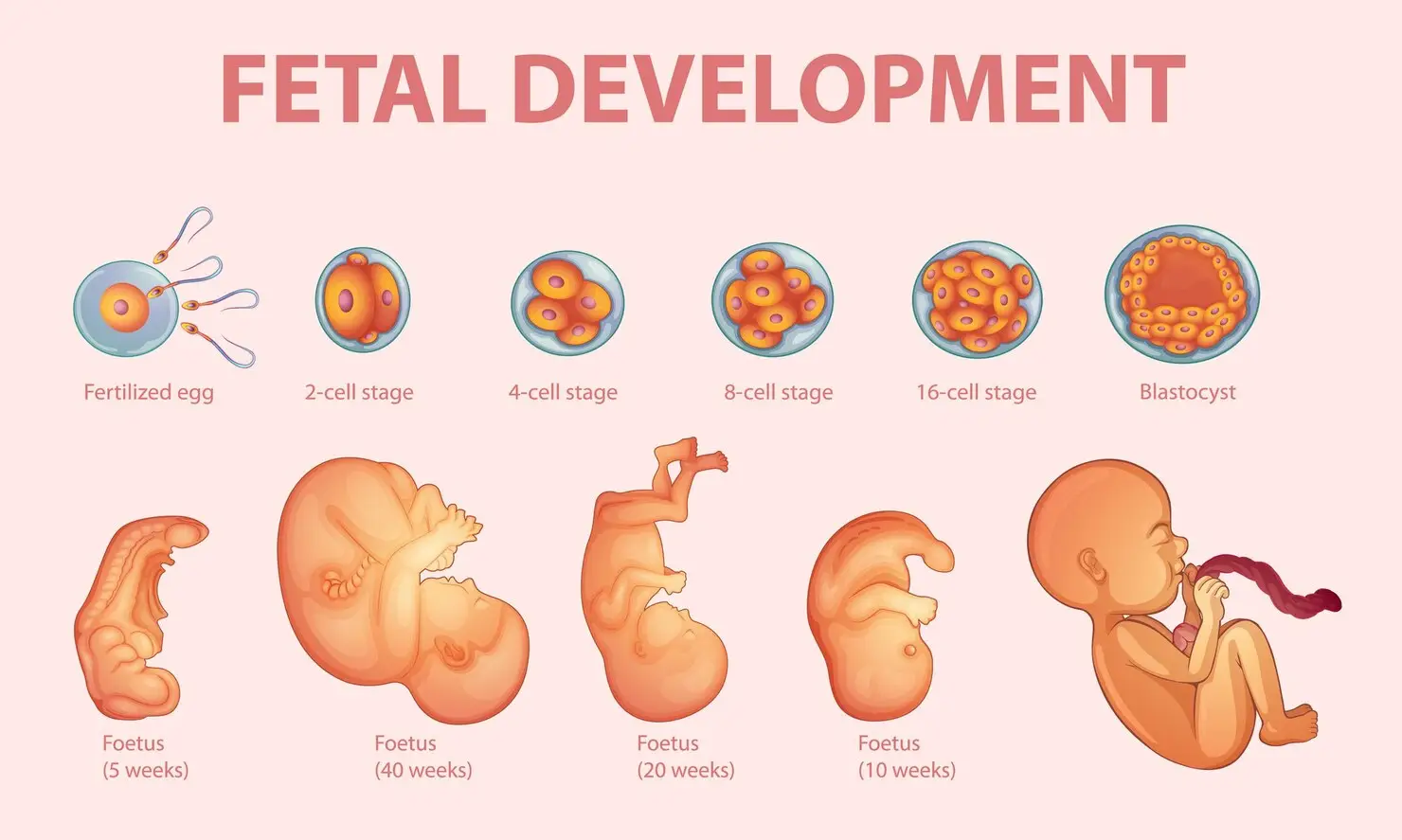
Fetal Development
Fetal Development: Your Baby’s Journey from Conception to Birth
Understanding Fetal Development
Fetal development is the remarkable process through which a fertilised egg grows into a fully developed baby. Throughout pregnancy, your baby undergoes rapid physical and neurological changes, with each trimester bringing important milestones in growth and organ development.
While every pregnancy is unique, understanding these stages can help expectant parents follow their baby’s progress and prepare for the months ahead.
First Trimester (Weeks 1–12)
The first trimester lays the foundation for all major body systems.
During these early weeks:
- The brain, spinal cord, and heart begin to form.
- Tiny arms, legs, fingers, and toes start to develop.
- Facial features become more defined.
- Major organs, including the liver, kidneys, and lungs, begin taking shape.
- By the end of the trimester, the baby has transitioned from an embryo to a fetus and starts making small movements.
Although these movements are not usually felt yet, significant development is taking place every day.
Second Trimester (Weeks 13–27)
Often referred to as the “golden period” of pregnancy, the second trimester is marked by rapid growth and increasing activity.
Key developments include:
- Stronger bones and muscles.
- Development of hearing, allowing the baby to respond to sounds and voices.
- Formation of fingerprints and unique facial characteristics.
- Growth of fine hair and protective skin coatings.
- Improved coordination, resulting in kicking, stretching, and rolling movements that many parents begin to feel.
Routine ultrasound scans during this stage provide valuable information about your baby’s anatomy and overall development.
Third Trimester (Weeks 28–Birth)
In the final weeks of pregnancy, your baby focuses on growth and preparing for life outside the womb.
Important milestones include:
- Continued brain and nervous system development.
- Maturation of the lungs and digestive system.
- Increased body fat to help regulate temperature after birth.
- Strengthening of reflexes such as sucking and blinking.
- Gradual movement into a head-down position in preparation for labour.
As space becomes more limited, movements may feel different, but regular activity should continue.
Factors That Support Healthy Fetal Development
Healthy habits throughout pregnancy contribute to your baby’s growth and wellbeing. These include:
- Eating a balanced diet rich in essential nutrients.
- Taking prenatal vitamins, including folic acid, as recommended by your healthcare professional.
- Attending all scheduled antenatal appointments.
- Staying physically active when appropriate.
- Getting enough rest and managing stress.
- Avoiding smoking, alcohol, and recreational drugs.
- Discussing any medications or existing health conditions with your healthcare provider.
Monitoring Your Baby’s Progress
Healthcare professionals monitor fetal development through routine antenatal care, which may include:
- Physical examinations
- Ultrasound scans
- Blood pressure and urine checks
- Blood tests
- Assessment of fetal growth and movement
These appointments help ensure that both parent and baby remain healthy throughout pregnancy and allow early identification of any concerns.
Remember That Every Baby Develops Differently
Growth patterns and developmental milestones can vary from one pregnancy to another. Small differences in size or timing are often completely normal and do not necessarily indicate a problem.
If you have concerns about your baby’s development or notice changes such as reduced fetal movements later in pregnancy, seek advice from your maternity care team promptly.
Key Takeaway
Fetal development is a continuous journey of growth and transformation, from the earliest weeks of pregnancy through to birth. By maintaining regular antenatal care and healthy lifestyle habits, parents can support their baby’s development and feel more informed and confident throughout the pregnancy journey.