Due Date Calculator
Pregnancy Due Date Calculator
Estimate Your Baby’s Expected Arrival
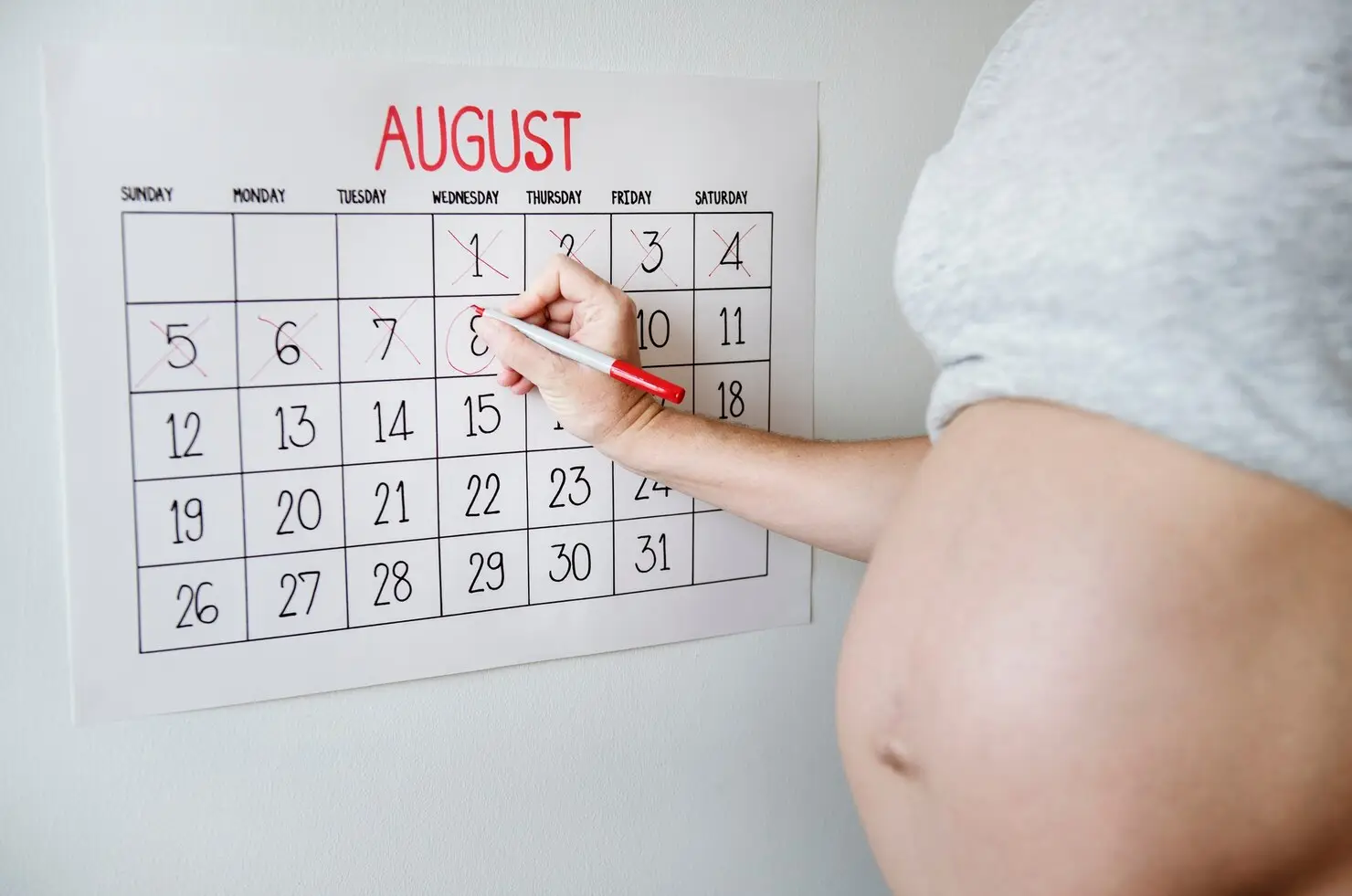
One of the first questions many expectant parents ask is, “When is my baby due?” A pregnancy due date calculator provides an estimated delivery date based on the first day of your last menstrual period (LMP) or your estimated date of conception.
While this calculation offers a helpful guide, it is important to remember that every pregnancy is unique. Most babies are born within a range of dates rather than on the exact estimated due date.
How Is the Due Date Calculated?
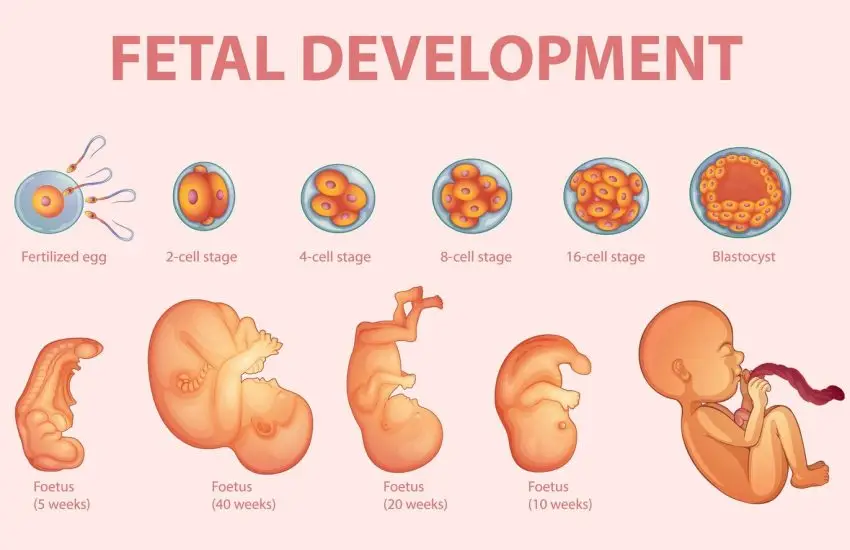
A standard pregnancy typically lasts around 40 weeks (280 days) from the first day of your last menstrual period. If your menstrual cycles are regular, this method provides a reliable starting point for estimating your baby’s expected arrival.
If the date of conception is known—such as with fertility treatment or closely tracked ovulation—that information may also be used to calculate your estimated due date.
Why Knowing Your Due Date Matters
Your estimated due date helps healthcare professionals plan important aspects of your prenatal care, including:
- Routine antenatal appointments
- Screening and diagnostic tests
- Ultrasound scans
- Monitoring your baby’s growth and development
- Planning for labour and delivery if pregnancy extends beyond term
It also allows parents to prepare for maternity leave, childcare arrangements, and the arrival of their newborn.
How Accurate Is a Due Date Calculator?
A due date calculator provides an estimate, not a guarantee. Only a small percentage of babies are born on their exact due date. Many healthy pregnancies result in delivery a few days or even a couple of weeks before or after the estimated date.
Early pregnancy ultrasound examinations, particularly during the first trimester, may provide a more accurate assessment of gestational age and can sometimes lead to adjustments in the expected due date.
Understanding Full-Term Pregnancy
Pregnancy is generally considered:
- Early term: 37 weeks to 38 weeks and 6 days
- Full term: 39 weeks to 40 weeks and 6 days
- Late term: 41 weeks
- Post-term: 42 weeks or beyond
Your maternity care team will monitor you closely if your pregnancy continues beyond your estimated due date.
Tips for a Healthy Pregnancy
Once you know your estimated due date, focus on supporting a healthy pregnancy by:
- Attending all scheduled antenatal appointments
- Eating a balanced and nutritious diet
- Taking prenatal supplements as recommended
- Staying physically active with your healthcare provider’s guidance
- Avoiding smoking, alcohol, and recreational drugs
- Reporting any unusual symptoms promptly
Frequently Asked Questions
Can my due date change?
Yes. If an early ultrasound suggests your baby is measuring differently than expected, your healthcare provider may revise your estimated due date.
What if I don’t know the date of my last period?
If you are unsure of your last menstrual period or have irregular cycles, an early pregnancy scan can help estimate gestational age and provide a more accurate due date.
Is it normal to deliver before or after the due date?
Absolutely. Many babies arrive naturally before or after their estimated due date, and this variation is often completely normal.
Important Reminder
A pregnancy due date calculator is designed to provide an estimate and should not replace medical advice. Regular antenatal care and ultrasound assessments remain the best way to monitor your pregnancy and ensure the health and wellbeing of both you and your baby.
Whether you are newly pregnant or planning ahead, knowing your estimated due date is an exciting milestone that helps you prepare for the journey to parenthood with confidence.