Health-Food For Pregnant Women
During pregnancy, it is important to consume a balanced and nutritious diet to support the health and development of both the mother and the baby. Here are some foods that are beneficial for pregnant women:
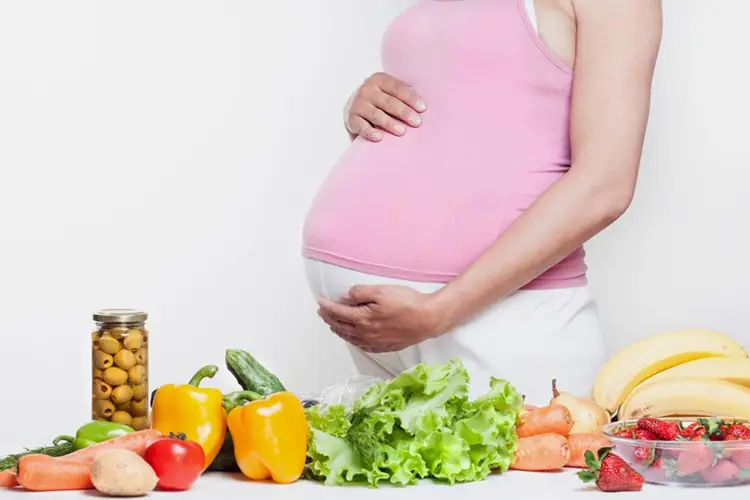
- Fruits and vegetables: These provide essential vitamins, minerals, and fiber. Include a variety of colorful fruits and vegetables in your diet, such as berries, citrus fruits, leafy greens, carrots, and bell peppers.
- Whole grains: Opt for whole grain bread, rice, pasta, and cereals to get fiber, B vitamins, and minerals. They help maintain steady energy levels and support digestion.
- Lean proteins: Include lean sources of protein like poultry, fish, lean beef, eggs, legumes, and tofu. These provide essential amino acids for fetal development.
- Dairy products: Choose low-fat dairy products or plant-based alternatives rich in calcium, such as milk, yogurt, and cheese. These help in the development of the baby’s bones and teeth.
- Healthy fats: Include sources of healthy fats like avocados, nuts, seeds, and olive oil. These provide essential fatty acids and support the baby’s brain and nervous system development.
- Iron-rich foods: Consume iron-rich foods such as lean red meat, poultry, fish, spinach, lentils, and fortified cereals. Iron is essential for the production of red blood cells and preventing anemia.
- Hydration: Stay well-hydrated by drinking plenty of water throughout the day. You can also include herbal teas and fresh fruit juices.
While it’s important to focus on a healthy diet, there are certain foods that should be avoided or limited during pregnancy. These include:
- Raw or undercooked meats, seafood, and eggs: They may contain harmful bacteria like Salmonella or Listeria, which can lead to foodborne illnesses.
- Unpasteurized dairy products: Avoid consuming unpasteurized milk, cheese, and other dairy products as they may contain harmful bacteria like Listeria.
- Certain fish high in mercury: Limit the intake of fish such as shark, swordfish, king mackerel, and tilefish, as they may contain high levels of mercury. Instead, choose low-mercury fish like salmon, trout, and canned light tuna.
- Raw or undercooked sprouts: Avoid consuming raw or undercooked sprouts (e.g., alfalfa, bean sprouts) as they can harbor bacteria.
- Caffeine: Limit your caffeine intake during pregnancy. High levels of caffeine can increase the risk of miscarriage or low birth weight. It’s generally recommended to consume no more than 200 mg of caffeine per day.
- Alcohol: It is strongly advised to avoid alcohol during pregnancy as it can cause serious harm to the developing baby, leading to fetal alcohol spectrum disorders.
It’s important to consult with your healthcare provider or a registered dietitian for personalized dietary recommendations based on your specific needs and any underlying health conditions.