Manner & Responsibility
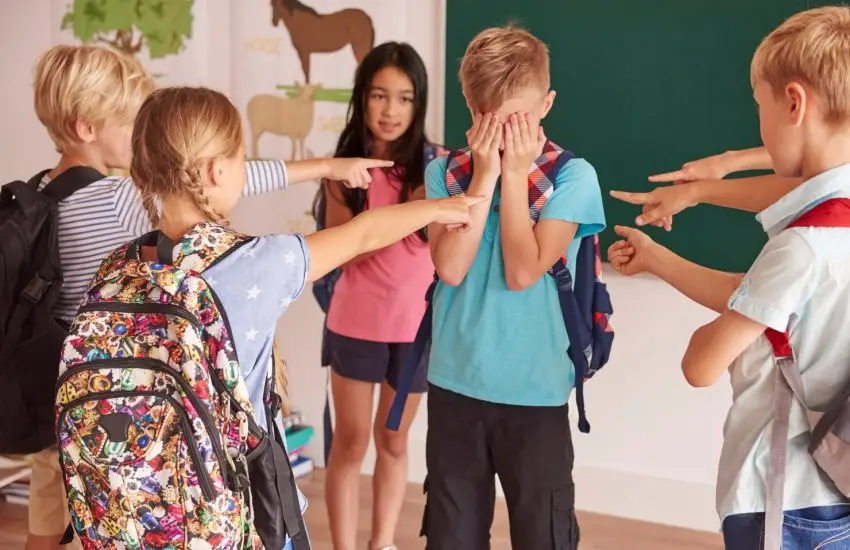
Big kids, generally referring to children between the ages of 8 and 12, are at a transitional stage between early childhood and adolescence. They are starting to develop a greater sense of independence, responsibility, and self-awareness. Big kids tend to exhibit certain mannerisms and take on increased responsibilities, both at home and in their interactions with others.
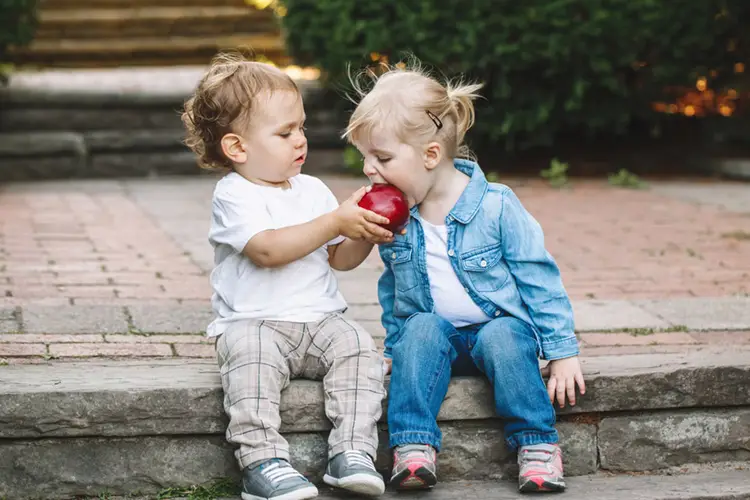
In terms of mannerisms, big kids typically display a growing sense of politeness, respect, and consideration for others. They understand the importance of listening when others speak, waiting their turn to speak, and using polite words such as “please” and “thank you.” They begin to grasp the concept of personal space and boundaries, demonstrating appropriate behavior in social settings. Big kids also strive to be more self-sufficient and take responsibility for their actions, such as cleaning up after themselves and completing tasks assigned to them.
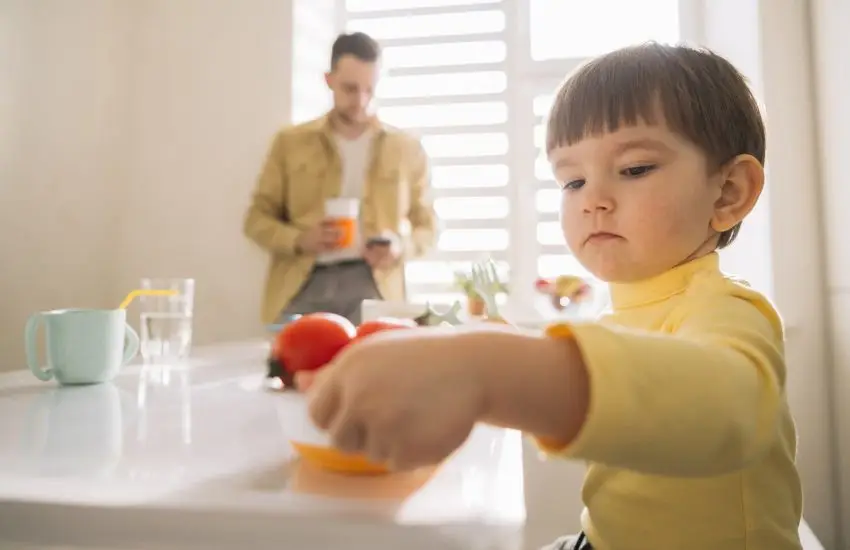
Responsibilities for big kids often include chores, homework, and personal hygiene. They are expected to contribute to the household by completing age-appropriate tasks such as tidying their rooms, setting the table, or taking care of pets. Big kids are also encouraged to manage their time effectively and complete their schoolwork independently. As they mature, they may be entrusted with additional responsibilities, such as taking on part-time jobs or participating in community service.
Teaching manners to children is essential for their social development. Here are some tips to help instill good manners in big kids:
- Lead by example: Children often mimic the behavior they observe in their parents and caregivers. Display good manners consistently to set a positive example.
- Communicate expectations: Clearly articulate your expectations regarding manners and explain why they are important in different situations.
- Provide gentle reminders: Prompt children to say “please” and “thank you” and to exhibit good behavior consistently. Gentle reminders can reinforce positive habits.
- Role-play and practice: Engage in role-playing scenarios where you act out different social situations, allowing children to practice their manners in a safe and supportive environment.
- Encourage empathy: Help children understand the feelings of others by encouraging them to imagine how their actions might impact someone else. This cultivates empathy and fosters kinder behavior.
- Praise and reward: Acknowledge and praise children when they exhibit good manners. Positive reinforcement can be a powerful motivator for continued good behavior.
- Correct and explain: When a child displays poor manners, correct their behavior in a calm and constructive manner. Take the opportunity to explain why the behavior was inappropriate and suggest an alternative.
- Consistency is key: Establish consistent expectations and consequences for good and poor manners. This helps children understand the importance of manners and the potential outcomes of their behavior.
Remember that teaching manners is an ongoing process, and children learn at their own pace. By consistently modeling and reinforcing good behavior, providing guidance, and nurturing empathy, parents can help big kids develop strong manners and become respectful individuals in society.