
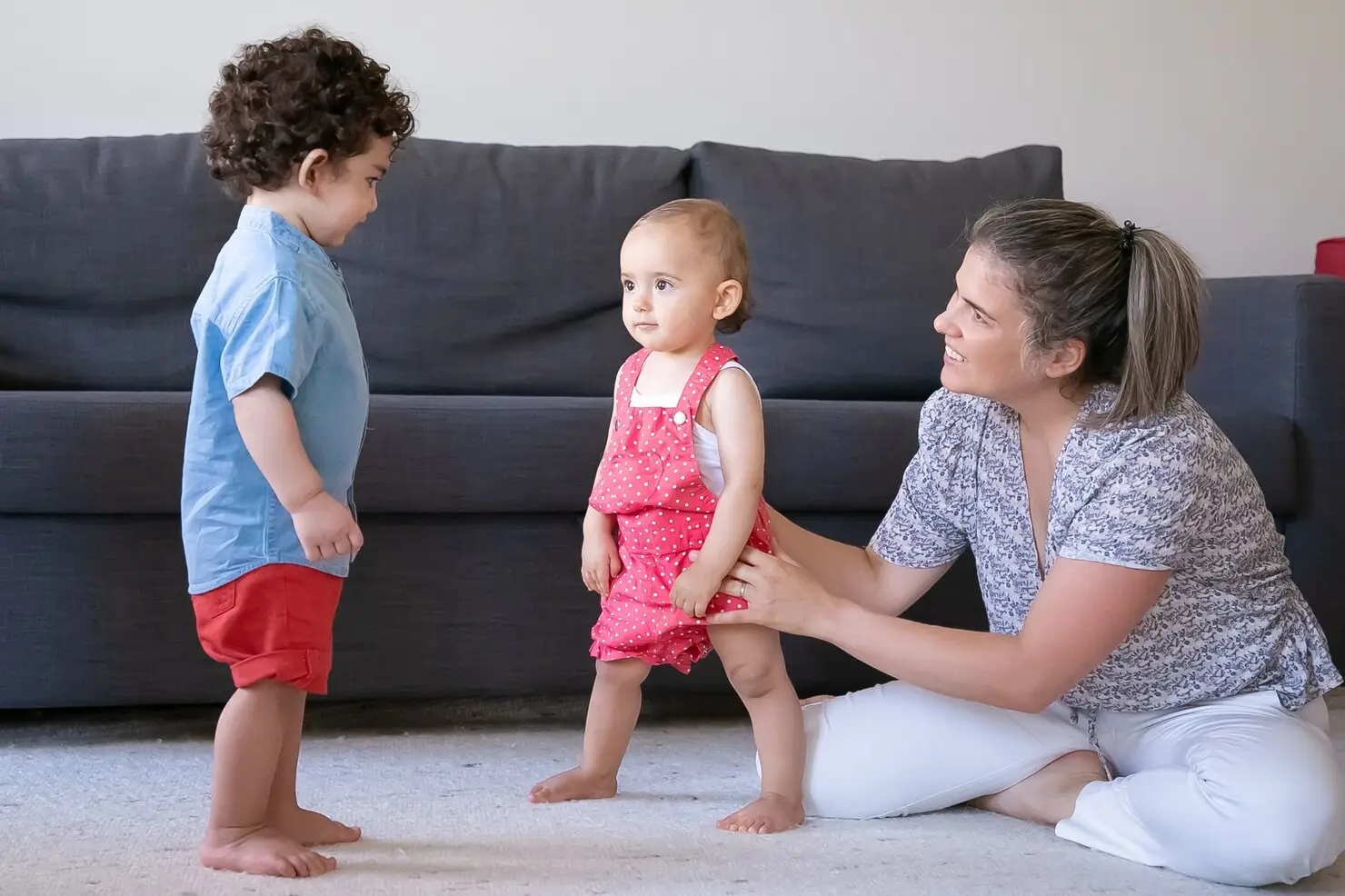
Milestones
Toddler Milestones: Tracking Your Child’s Growth and Development
Understanding Toddler Milestones
The toddler years, generally from ages one to three, are a period of remarkable growth and discovery. During this stage, children develop new physical abilities, expand their language skills, strengthen emotional connections, and become more independent. Developmental milestones provide a helpful framework for understanding these changes, but it is important to remember that every child progresses at their own pace.
Rather than viewing milestones as strict deadlines, parents should use them as general guides while celebrating their child’s individual journey.
Why Developmental Milestones Matter
Monitoring milestones helps parents and healthcare professionals understand how a child is growing across different areas of development, including:
- Gross motor skills
- Fine motor skills
- Language and communication
- Cognitive development
- Social interaction
- Emotional wellbeing
Recognising strengths and identifying potential concerns early can ensure children receive appropriate support if needed.
Milestones Around 12 to 18 Months
During this stage, toddlers become increasingly mobile and curious about the world around them.
Many children begin to:
- Walk independently or with minimal support
- Climb onto low furniture safely
- Point to objects of interest
- Follow simple one-step instructions
- Say a few familiar words
- Wave goodbye or clap hands
- Feed themselves using fingers or simple utensils
- Show affection toward familiar people
Exploration through touch, movement, and imitation plays a major role in learning.
Milestones Around 18 to 24 Months
As confidence grows, toddlers become more eager to communicate and solve simple problems.
Typical developments include:
- Running and beginning to jump
- Kicking or throwing a ball
- Building small towers with blocks
- Identifying body parts when asked
- Using short phrases or combining two words
- Recognising familiar people and objects in books
- Beginning pretend play with dolls or toys
- Showing preferences and making simple choices
Many toddlers also become more aware of routines and enjoy helping with everyday tasks.
Milestones Around 2 to 3 Years
Between two and three years of age, children often make rapid progress in language, coordination, and social interaction.
Common milestones include:
- Climbing stairs with greater confidence
- Drawing simple lines or circles
- Turning pages in books one at a time
- Speaking in short sentences
- Asking simple questions
- Following two-step instructions
- Sorting objects by colour or shape
- Playing alongside or cooperatively with other children
- Beginning toilet training when developmentally ready
Their imagination also expands, making role-play and storytelling favourite activities.
Supporting Healthy Toddler Development
Parents and caregivers can encourage milestone achievement through everyday experiences.
Helpful activities include:
- Reading together every day
- Singing songs and nursery rhymes
- Encouraging outdoor play and physical activity
- Offering puzzles and building toys
- Talking during meals, walks, and routines
- Providing opportunities for drawing and creative play
- Allowing supervised exploration and problem-solving
Positive interactions and responsive communication build confidence and strengthen learning.
Nutrition, Sleep, and Routine
Healthy habits contribute significantly to a toddler’s development.
A balanced lifestyle should include:
- Nutritious meals and healthy snacks
- Regular opportunities for active play
- Adequate hydration
- Consistent sleep routines with sufficient rest
- Routine health and dental check-ups
- Time for both structured activities and free play
Predictable daily routines help toddlers feel secure and support emotional wellbeing.
Every Child Develops Differently
Development is influenced by many factors, including genetics, temperament, environment, and individual experiences. Some toddlers speak earlier, while others develop physical skills more quickly. These differences are often part of normal variation.
Parents should avoid comparing children too closely with siblings or peers and instead focus on steady progress over time.
When to Seek Professional Advice
While milestone timelines vary, it is sensible to consult a healthcare professional if your toddler shows persistent signs such as:
- Not walking independently by an expected age without medical explanation
- Limited eye contact or response to familiar voices
- Few or no spoken words as language skills would typically be emerging
- Loss of previously acquired abilities
- Difficulty interacting with others or engaging in play
- Ongoing concerns about hearing, vision, movement, or feeding
Early guidance and assessment can help identify developmental differences and provide timely support where appropriate.
Building Confidence Through Everyday Moments
Children learn best through warm, responsive relationships and everyday experiences. Talking, reading, playing, cooking together, and exploring the outdoors all contribute to healthy development while creating meaningful family memories.
Offering encouragement, celebrating achievements, and providing opportunities to try new things helps toddlers develop resilience, independence, and self-confidence.
Key Takeaway
Toddler milestones provide valuable insights into your child’s physical, cognitive, language, and social development, but they are not rigid rules. Every child follows their own path and reaches new skills in their own time.
By providing a safe, nurturing environment filled with conversation, play, healthy routines, and positive encouragement, parents can support their toddler’s growth and lay a strong foundation for lifelong learning and wellbeing.