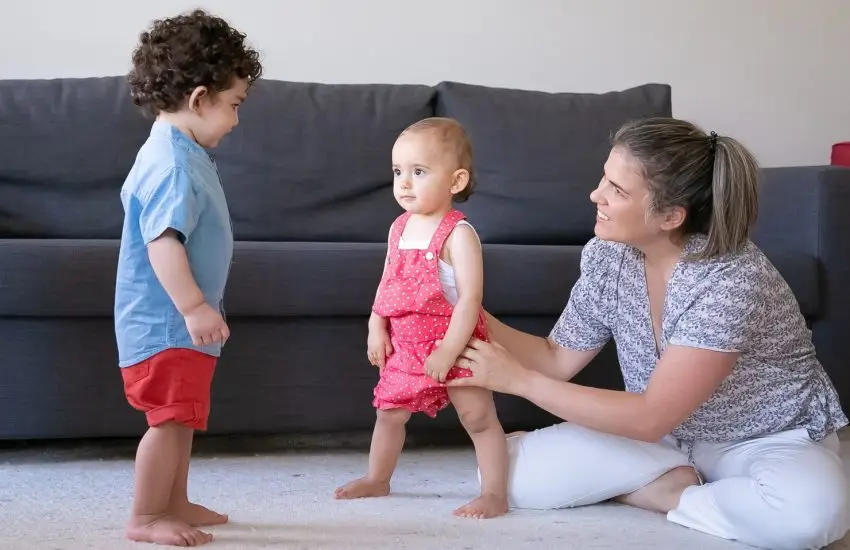

Toddler Development
Toddler Development: Understanding Your Child’s Growth and Milestones
A Remarkable Stage of Growth
The toddler years—typically between the ages of one and three—are filled with rapid physical, emotional, social, and cognitive development. During this period, children become more independent, curious, and eager to explore their surroundings. Every new experience helps shape the skills they will build on throughout childhood.
While developmental milestones provide a useful guide, it is important to remember that every child grows at their own pace. Small differences in timing are often perfectly normal.
Physical Development
Toddlers quickly gain strength, coordination, and confidence in their movements. As they develop gross and fine motor skills, everyday activities become opportunities for learning and independence.
Common physical milestones include:
- Walking independently and progressing to running
- Climbing stairs with support
- Kicking and throwing a ball
- Stacking blocks and completing simple puzzles
- Holding crayons and beginning to scribble or draw
- Using spoons and cups with increasing control
Providing safe spaces for active play helps support healthy physical development and builds confidence.
Cognitive Development
Toddlers are natural explorers who learn through observation, repetition, and play. Their problem-solving abilities improve rapidly as they begin to understand cause and effect, recognise familiar routines, and imitate adults.
You may notice your child:
- Identifying everyday objects and people
- Following simple instructions
- Sorting items by colour or shape
- Beginning imaginative or pretend play
- Solving basic challenges through trial and error
- Showing curiosity by asking questions or experimenting with objects
Reading together, singing songs, and offering age-appropriate toys can encourage early learning and critical thinking.
Language and Communication
Language development accelerates significantly during the toddler years. Children often progress from saying a few single words to combining short phrases and expressing simple ideas.
Development may include:
- Understanding familiar words and simple requests
- Pointing to objects when named
- Expanding vocabulary steadily over time
- Naming family members, animals, colours, or favourite toys
- Using gestures alongside spoken language
- Beginning to form short sentences
Regular conversations, storytelling, and responsive interaction help strengthen communication skills, even before speech is fully developed.
Social and Emotional Growth
Toddlers begin to develop a stronger sense of identity and independence while learning how to interact with others. Emotional regulation is still developing, so frustration and occasional tantrums are common.
Typical behaviours include:
- Seeking comfort from trusted caregivers
- Showing affection toward family members
- Playing alongside or gradually with other children
- Demonstrating preferences and making simple choices
- Expressing a wide range of emotions
- Developing empathy and recognising others’ feelings over time
Consistent routines, patience, and positive reinforcement create a secure environment that supports emotional wellbeing.
Encouraging Healthy Development Through Play
Play is one of the most effective ways toddlers learn. Activities that stimulate creativity and movement can strengthen multiple areas of development simultaneously.
Beneficial activities include:
- Reading picture books together
- Building with blocks or construction toys
- Singing nursery rhymes and action songs
- Arts and crafts using child-safe materials
- Outdoor exploration and nature walks
- Pretend play with dolls, kitchens, or vehicles
- Simple matching games and puzzles
Unstructured play also gives toddlers opportunities to develop imagination and independence.
Nutrition and Healthy Habits
Balanced nutrition supports both physical growth and brain development. Toddlers benefit from a varied diet that includes fruits, vegetables, whole grains, protein sources, and dairy or suitable alternatives.
Healthy habits to encourage include:
- Regular family meals
- Drinking plenty of water
- Limiting foods high in added sugar and salt
- Daily physical activity
- Good oral hygiene and routine dental care
- Consistent sleep schedules
Parents should consult healthcare professionals if they have concerns about eating habits, growth, or nutritional intake.
Sleep and Routine
Toddlers generally require between 11 and 14 hours of sleep over a 24-hour period, including naps, although individual needs vary.
Helpful bedtime practices include:
- Maintaining a consistent sleep schedule
- Following a calming bedtime routine
- Keeping the sleep environment quiet and comfortable
- Avoiding stimulating activities immediately before bedtime
Adequate sleep supports learning, behaviour, mood, and overall health.
Supporting Independence
As toddlers gain confidence, they enjoy completing simple tasks on their own. Encouraging independence helps build resilience and self-esteem.
Age-appropriate responsibilities may include:
- Putting toys away
- Feeding themselves with supervision
- Choosing between two outfits
- Helping tidy up after activities
- Washing hands with assistance
- Carrying lightweight items safely
Praise effort rather than perfection to encourage continued learning.
Recognising Individual Differences
Developmental timelines vary widely, and not every child reaches milestones at exactly the same age. However, parents should seek professional advice if they notice concerns such as:
- Limited response to sounds or voices
- Loss of previously acquired skills
- Difficulty with movement or coordination
- Very limited eye contact or social interaction
- Delayed communication compared with expected milestones
- Ongoing feeding or swallowing difficulties
Early assessment can help identify any underlying issues and provide access to appropriate support if needed.
Creating a Positive Learning Environment
Children thrive in environments where they feel safe, loved, and encouraged to explore. Spending quality time talking, reading, playing, and engaging in everyday routines provides valuable opportunities for learning and strengthens family relationships.
Simple moments—such as preparing meals together, visiting the park, or reading a bedtime story—can make a lasting contribution to healthy development.
Key Takeaway
Toddler development is a dynamic journey that encompasses physical growth, language acquisition, emotional maturity, and early learning. By offering responsive care, nutritious food, enriching play experiences, and consistent routines, parents and caregivers can support their child’s progress with confidence.
Remember that every toddler develops in their own way. Regular health reviews, open communication with healthcare professionals, and a nurturing home environment all play an important role in helping young children reach their full potential.