Preschool Activities
Toddler and Preschool Activities: Fun Ways to Support Early Learning and Development
Why Activities Matter During the Toddler and Preschool Years
The toddler and preschool years are a time of extraordinary growth. Between the ages of one and five, children develop essential skills that shape their physical health, language, creativity, emotional wellbeing, and social confidence. Everyday play is more than entertainment—it is one of the most effective ways young children learn about themselves and the world around them.
Thoughtfully chosen activities encourage curiosity, independence, and problem-solving while strengthening the bond between children and their caregivers.
Benefits of Age-Appropriate Activities
Regular play-based learning can help toddlers and preschoolers:
- Build language and communication skills
- Improve balance, coordination, and fine motor abilities
- Develop early numeracy and literacy concepts
- Strengthen memory and concentration
- Learn to share, cooperate, and take turns
- Express emotions in healthy ways
- Gain confidence through exploration and achievement
The best activities are simple, engaging, and tailored to a child’s interests and developmental stage.
Creative Indoor Activities
Arts and Crafts
Drawing, painting, colouring, and collage projects encourage creativity while improving hand-eye coordination and fine motor control. Safe, washable materials and age-appropriate tools make these activities enjoyable and easy to supervise.
Story Time
Reading together every day supports vocabulary development, listening skills, and imagination. Encourage participation by asking questions, pointing to pictures, or inviting your child to predict what happens next.
Building and Construction Play
Blocks, magnetic tiles, and stacking toys help children understand balance, patterns, shapes, and spatial awareness while encouraging problem-solving and perseverance.
Pretend Play
Playing “shop,” “doctor,” “kitchen,” or “school” allows children to explore social situations, practise communication, and develop empathy through imaginative role play.
Music and Movement
Singing songs, dancing, and experimenting with simple musical instruments promote rhythm, coordination, and self-expression while making learning fun.
Outdoor Activities
Fresh air and physical movement are important for healthy development.
Ideas include:
- Nature walks and scavenger hunts
- Playground visits
- Ball games and obstacle courses
- Gardening and planting flowers or vegetables
- Riding balance bikes or scooters with appropriate safety equipment
- Bubble play and water activities during warmer weather
Outdoor experiences also introduce children to seasonal changes, wildlife, and environmental awareness.
Sensory Play
Sensory activities stimulate curiosity and support cognitive development through touch, sight, sound, smell, and movement.
Popular options include:
- Water tables
- Sand play
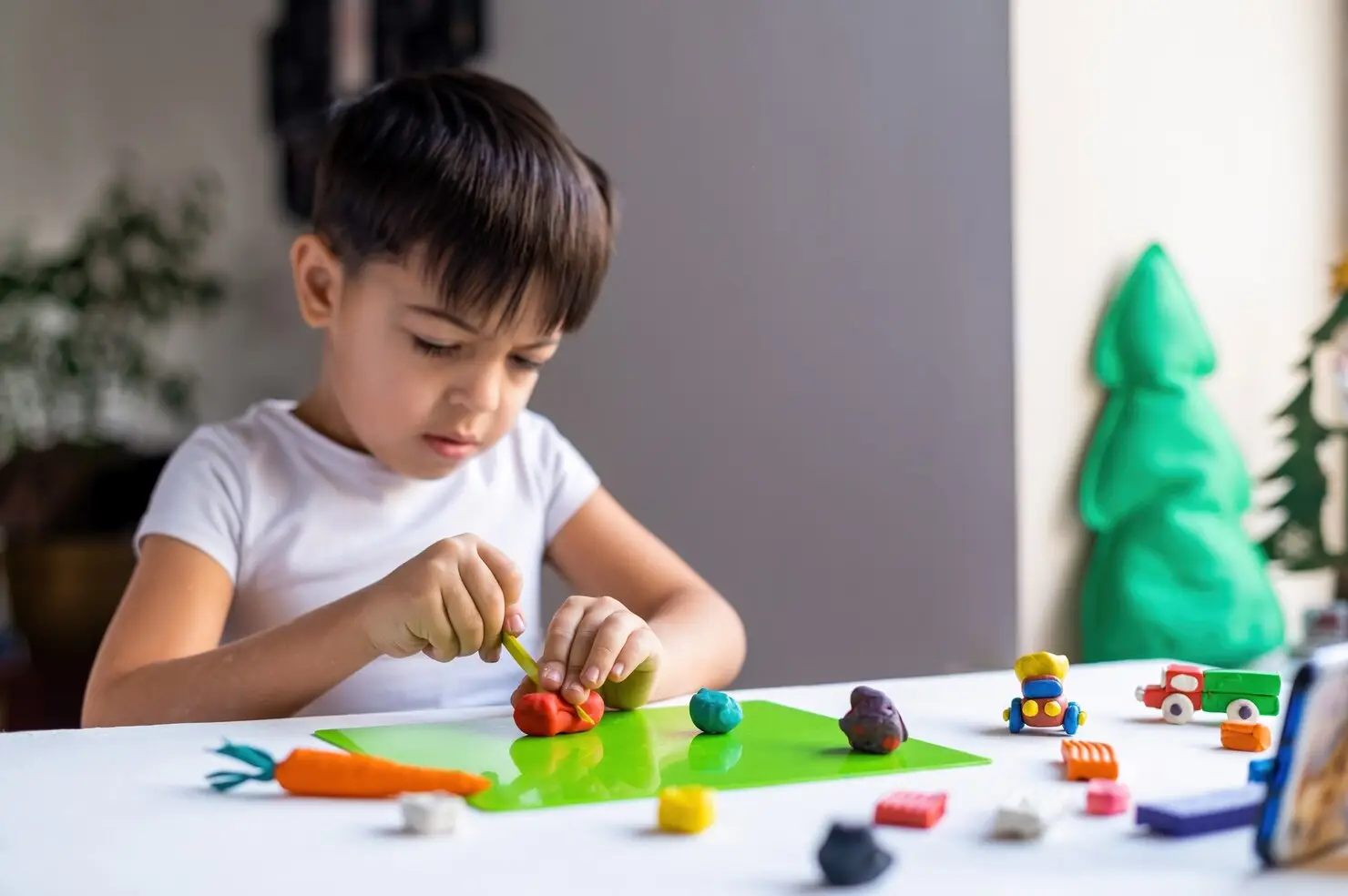
- Play dough
- Rice or pasta bins
- Finger painting
- Safe sensory bottles
- Exploring different textures using natural materials
Always supervise closely and ensure materials are suitable for your child’s age.
Early Learning Through Play
Toddlers and preschoolers learn best when education is woven into everyday experiences.
Simple ways to encourage learning include:
- Counting objects while tidying up
- Naming colours and shapes during walks
- Singing alphabet and number songs
- Sorting toys by size or colour
- Matching games and simple puzzles
- Cooking together to introduce measuring and sequencing
These activities build foundational skills without placing unnecessary pressure on young learners.
Encouraging Social Development
Group play helps children practise sharing, communication, patience, and teamwork.
Opportunities may include:
- Playdates with friends
- Parent-and-child groups
- Community story sessions
- Music or movement classes
- Sports designed for young children
- Library events and local family activities
Children develop social skills gradually, so gentle encouragement and positive reinforcement are often more effective than forcing participation.
Screen Time Considerations
Digital media can offer educational value when used thoughtfully, but it should complement—not replace—active play, conversation, reading, and outdoor exploration.
Parents are encouraged to choose high-quality, age-appropriate content and balance screen use with hands-on experiences that support physical and emotional development.
Supporting Independence
Simple daily tasks help toddlers and preschoolers build confidence and responsibility.
Encourage your child to:
- Put away toys after playtime
- Help choose clothing
- Wash hands independently
- Assist with setting the table
- Water plants or feed pets with supervision
Celebrating small achievements fosters resilience and self-esteem.
Creating a Safe Play Environment
Safety should always be a priority. Ensure that:
- Toys are appropriate for your child’s age and free from choking hazards.
- Outdoor play areas are supervised.
- Furniture is secure and sharp edges are protected.
- Cleaning products and medications are stored safely out of reach.
- Children wear suitable protective equipment, such as helmets when cycling or scootering.
A secure environment allows children to explore confidently while reducing the risk of injury.
The Importance of Unstructured Play
Not every moment needs to be planned. Free play gives children the opportunity to make choices, solve problems independently, and develop creativity through their own ideas and imagination.
Providing time for self-directed play can be just as valuable as organised activities.
Key Takeaway
Toddler and preschool activities play a vital role in supporting healthy physical, cognitive, emotional, and social development. Whether reading a favourite story, exploring nature, creating artwork, or simply playing together at home, meaningful everyday experiences help children learn and thrive.
The most memorable activities are often the simplest ones—those that encourage curiosity, nurture confidence, and allow families to enjoy quality time together as children grow and discover the world around them.